The current industries are experiencing a change where efficiency, speed, and flexibility are not options anymore, they are essential. Traditional infrastructure, usually expensive and slow to adjust and adapt to the growing demand for real-time insights and distributed operations. ScalerPi provides a new approach on the subject by combining edge computing with practical engineering. This allows for solutions that can scale.
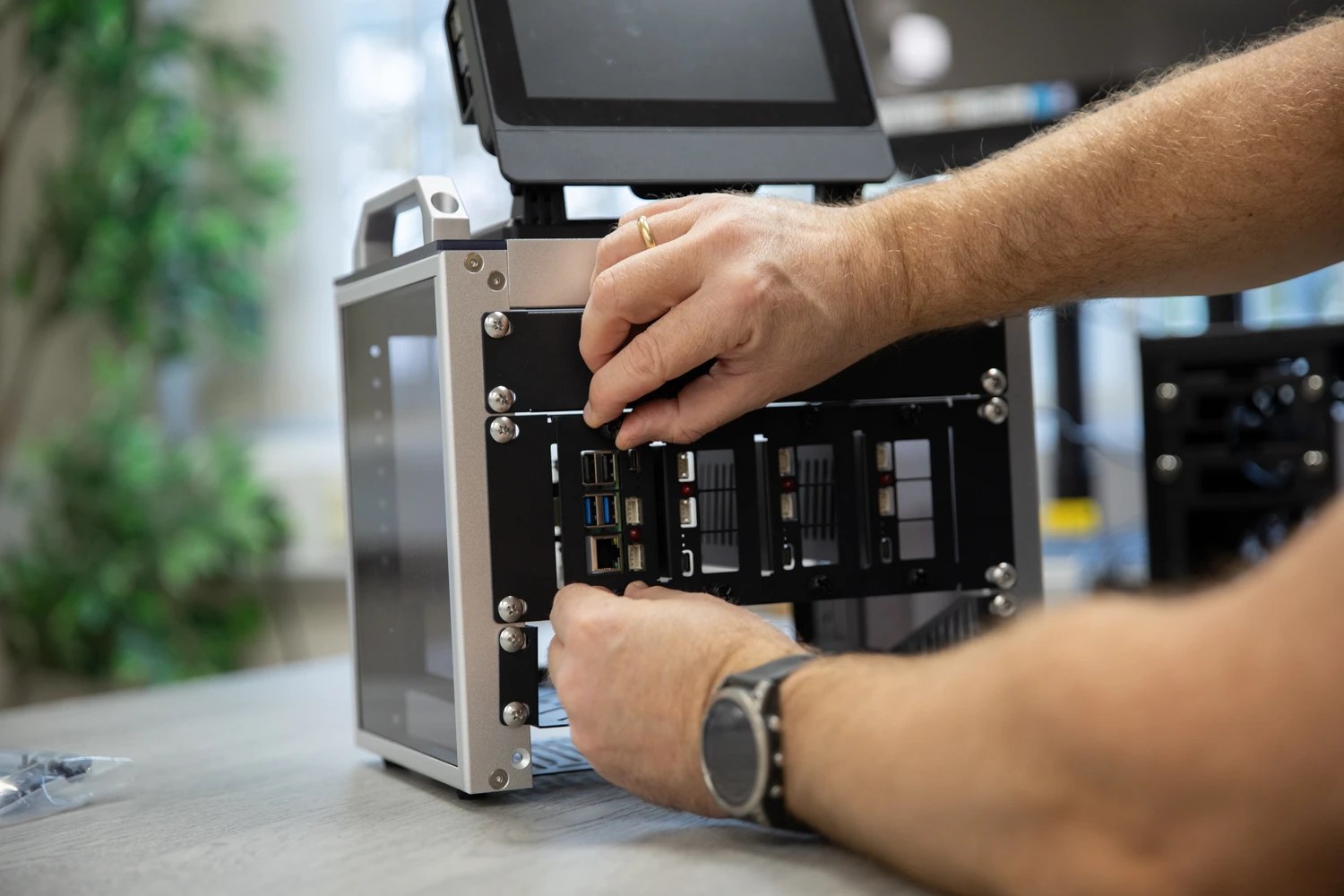
The core of this transformation is industrial automation through Raspberry Pi, which enables businesses to reconsider how they develop and manage their systems. Instead of being dependent on large, centralized hardware, businesses are now able to deploy lightweight yet powerful devices that work directly at the point where data is generated. This approach not only reduces the amount of latency, but also allows teams to respond instantly to changing conditions.
Converting Data into Action at the Edge
The main benefit of edge computing lies in its ability to handle data locally. It is not feasible to wait for cloud-based applications to be able to handle a variety of industrial settings isn’t feasible. ScalerPi provides infrastructure that is completely independent, yet it is able to connect with other systems when needed.
The industrial Raspberry Pi IoT Gateway is the most important component of this configuration, since it serves as a central interface for all devices and apps. It enables seamless communication across sensors, machines and software platforms, ensuring that data flow is secure and efficiently. It’s possible to monitor the activities in real-time. It is possible to detect problems early and maintain consistency across several sites.
This capability has a transformative effect on industries like logistics and environmental monitoring. This ability allows systems to remain operational even in areas that are remote or areas with limited connectivity, so that data and operations can be accessible.
Compact Power for Demanding Environments
One of the greatest challenges in industrial computing is the balance of efficiency with practicality. Although large servers offer great power, they can be expensive, consume a significant amount of energy and offer limited capacity. ScalerPi overcomes this with industrial Raspberry Pi servers that deliver reliable computing in a compact, energy-efficient form.
They are specifically designed for real-world environments where space and power are at a minimum. No matter if they are deployed in a manufacturing facility or a retail outlet, or even a remote monitoring station, they will provide constant performance, without the need for an extensive infrastructure. The modularity of their systems permits gradual expansion, making it possible for businesses to match growth with their current requirements.
The small industrial Raspberry Pi module server takes this concept a step forward and offers greater versatility. Built to withstand the harshest conditions the servers are built to last and combine toughness and advanced processing capabilities. These servers are perfect for systems that have to be running continuously, such as smart city systems, industrial automation systems.
Flexible Deployment Through Containerized Delivery
Modern infrastructures must be flexible, and containerization can help. ScalerPi integrates industrial Raspberry Pi docker environments, enabling an efficient and flexible management of applications. With Docker, businesses can deploy or update applications rapidly without disrupting existing operations.
This method simplifies the development process and assures consistency between different deployments. The application can be tested and then seamlessly transferred to another environment, which reduces errors and improving reliability. For organizations managing multiple sites, this level of control is vital.
Containerization is also an instrument to foster creativity. Teams are able to experiment with new the capabilities and services they want to try without having to affect existing systems. This makes it easier for them to stay in the forefront of their field.
Practical Solutions for a variety of sectors
ScalerPi is a powerful instrument because it adapts to a broad range of industries. Industrial automation using Raspberry Pi can reduce downtime, boost efficiency and facilitate predictive maintenance in manufacturing. Machines can share and communicate data, creating a more connected and intelligent production environment.
In agriculture, edge solutions support smarter farming practices. Sensors monitor the health of crops and soil conditions. They can also track the weather patterns.
The hospitality and retail sectors can benefit from insights about customer behavior that is real-time. From digital signage to queue management, companies can enhance customer experiences while optimizing operations. Edge infrastructure is employed in public sector projects, such as smart cities for monitoring environmental issues as well as asset management.
Interconnecting Hardware and Cloud securely
ScalerPi’s ability to connect physical devices to cloud-based systems is the reason it stands out. By combining hands-on knowledge of hardware and modern cloud technologies creating a single platform that supports both local processing and centralized management.
This way of working ensures that businesses can scale without complexity. Whatever your needs, whether you’re starting small or expanding thousands of devices the infrastructure you have in place will be easily manageable, safe and cost-effective. Modular design and transparent pricing aid in the process which allows organizations to concentrate on innovation instead of operational problems.
Industrial Technology for the Future
As the development of industries continues as they continue to evolve, the need for an efficient and flexible infrastructure is expected to increase. ScalerPi is a solution that can meet these requirements by combining edge computing power together with Raspberry Pi technology.
Each piece of equipment, including industrial Raspberry Pi Servers, advanced IoT gateways as well as containerized applications, is designed to be scalable and practical. The infrastructure does not only meet the demands of today’s businesses but also prepares them for tomorrow’s challenges.